

Sustancia química que es medida por el Programa para el Biomonitoreo de California
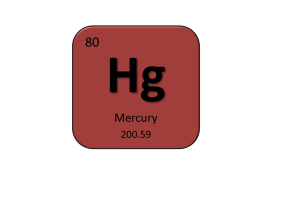
Mercury is a metal that is found in nature. It is released into the environment when coal is burned, by some industries, and from past use in gold mines. Mercury builds up in certain types of fish.
Fact Sheet
Mercury is found in:
- Certain types of fish and seafood. This is the most common source of exposure to mercury.
- Some imported face creams used for skin lightening, anti-aging, or acne.
- Some herbal medicines and other traditional remedies, especially from China and India.
- Silver-colored dental fillings.
- Glass thermometers, older barometers, and blood pressure gauges.
- Fluorescent lights, including compact fluorescent light (CFL) bulbs.
Possible health concerns of mercury:
- Can affect brain development and cause learning and behavior problems in infants and children who were exposed in the womb.
- Can harm the nervous system and kidneys.
- May affect the heart.
- May increase cancer risk.
Possible ways to reduce exposure to mercury:
- Choose fish that are lower in mercury, such as salmon, tilapia, trout, canned light tuna, sardines, anchovies, and oysters.
- Avoid fish that are high in mercury, such as shark, swordfish, orange roughy, bluefin and bigeye tuna, tilefish, king mackerel, and marlin.
- Do not use imported face creams for skin lightening, anti-aging, or acne unless you are certain that they do not contain mercury.
- Properly recycle CFL bulbs (see below).
- Properly clean up broken thermometers, CFL bulbs, and other items containing mercury (see below). Do not let children play with silver liquid from items like mercury thermometers.
For More Information
Information on mercury for people who catch and eat fish, call OEHHA at (916) 327-7319 or visit: http://oehha.ca.gov/fish/mercury-fish-information-people-who-eat-fish Guide for choosing fish that are lower in mercury: http://oehha.ca.gov/media/downloads/fish/fact-sheet/2011commfishguidecolor.pdf Concerns about mercury exposure - contact the California Poison Control System hotline 1-800-222-1222 or https://calpoison.org/ Fact sheet on mercury in your environment, with information on cleaning up mercury spills: http://www.epa.gov/mercury/spills/ For CFL recycling locations, call 1-800-RECYCLING (1-800-732-9254), or visit: http://recyclenation.com/External Biomonitoring Links

Lead is a metal that is found in nature and is used in many industries and products.
Fact Sheet
Lead is widespread in the environment and is found in:
- Chipped and peeling paint and dust in and around homes built before 1978 (when lead was banned in house paint).
- Bare soil around homes built before 1978, or near roadways.
- Job sites or hobby areas, such as construction and painting sites, shooting ranges, and recycling facilities for electronics, batteries, and scrap metal.
- Some candies and spices from Mexico and Asia.
- Some traditional remedies, especially brightly colored remedies like Azarcón and Greta.
- Many consumer products, including:
- Some ceramic dishes and pottery, and some pewter and crystal pitchers and goblets.
- Some baby bibs, electrical cords, purses, garden hoses, and other products made of vinyl or imitation leather.
- Some toys, art supplies, costume jewelry, cosmetics, and hair dyes.
- Some brass faucets, fishing weights and sinkers, and curtain weights.
Possible health concerns of lead:
- Can affect brain development and contribute to learning problems in infants and young children.
- Can increase blood pressure, decrease kidney and brain function, and cause reproductive problems.
- May increase cancer risk.
Possible ways to reduce exposure to lead:
- Keep children away from chipped and peeling paint. Use a certified professional if you plan to permanently remove or seal lead-based paint.
- Cover bare soil with grass, bark, or gravel, especially around homes built before 1978 and homes near roadways.
- If you work with lead or do house renovation, use proper protective equipment. Follow other safe work practices, including washing hands frequently, keeping work dust out of your home, and washing work clothes separately.
- Use cold water for drinking and cooking to reduce the release of lead from some faucets and old pipes.
- Because lead can collect in dust:
- Wash your and your child’s hands often, especially before preparing or eating food.
- Clean your floors regularly, using a wet mop or HEPA vacuum if possible, and use a damp cloth to dust.
- Eat a well-balanced diet with enough calcium, iron, and vitamin C, which can help reduce the amount of lead that your body absorbs.
For More Information
California’s Childhood Lead Poisoning Prevention Branch at (510) 620-5600, or go to: http://www.cdph.ca.gov/programs/CLPPB/Pages/default.aspx California’s Occupational Lead Poisoning Prevention Program at (510) 620-5740, or go to: https://www.cdph.ca.gov/Programs/CCDPHP/DEODC/OHB/OLPPP/Pages/OLPPP.aspxBiomonitoring California Information
Documents, Presentations, and Publications
External Biomonitoring Links

Triclosan is used to kill bacteria. It was previously a common ingredient in liquid soaps labeled as “antibacterial” or “antimicrobial,” but this use was banned by the US Food and Drug Administration (FDA) as of September 2017. This is because there are no extra health benefits of using soap with triclosan compared to ordinary soap, and the wide use of antibacterials poses health concerns. Triclosan is still used in other personal care products, such as some toothpaste and cosmetics, although certain companies are phasing it out. It is also added to many household products and building materials.
Fact Sheet
Triclosan is found in:
- Consumer products, including:
- Housewares, such as cutting boards, serving utensils, storage containers, humidifiers, and vacuum cleaners.
- Home furnishings, such as mattress and pillow covers, shower curtains, and rugs.
- Children’s toys and sporting goods, such as exercise, playground, camping, and boating equipment.
- Some personal care products, including some toothpaste and cosmetics like blush and eyeshadow; and combs, brushes, and razors.
- Building materials, such as some countertops, caulking, concrete, tiles, flooring, and bathroom fixtures.
Possible health concerns of triclosan:
- May interfere with the body’s natural hormones.
- May make it harder for antibiotics to fight infections. This is because overuse of triclosan and other antibacterials may cause changes in bacteria that make them harder to kill.
Possible ways to reduce exposure to triclosan:
- Avoid personal care products that list triclosan on the label, unless you have a medical reason for using them. For example, toothpaste with triclosan may help prevent gingivitis (inflammation of the gums).
- Avoid products labeled “antibacterial” or “antimicrobial.”
- For housewares and other consumer products, look for untreated materials, which could include wood, glass, stainless steel, and natural fabrics like wool. If you can’t tell whether a product has been treated with triclosan or other antibacterials, contact the manufacturer.
